0
-
An empty cart
You have no item in your shopping cart

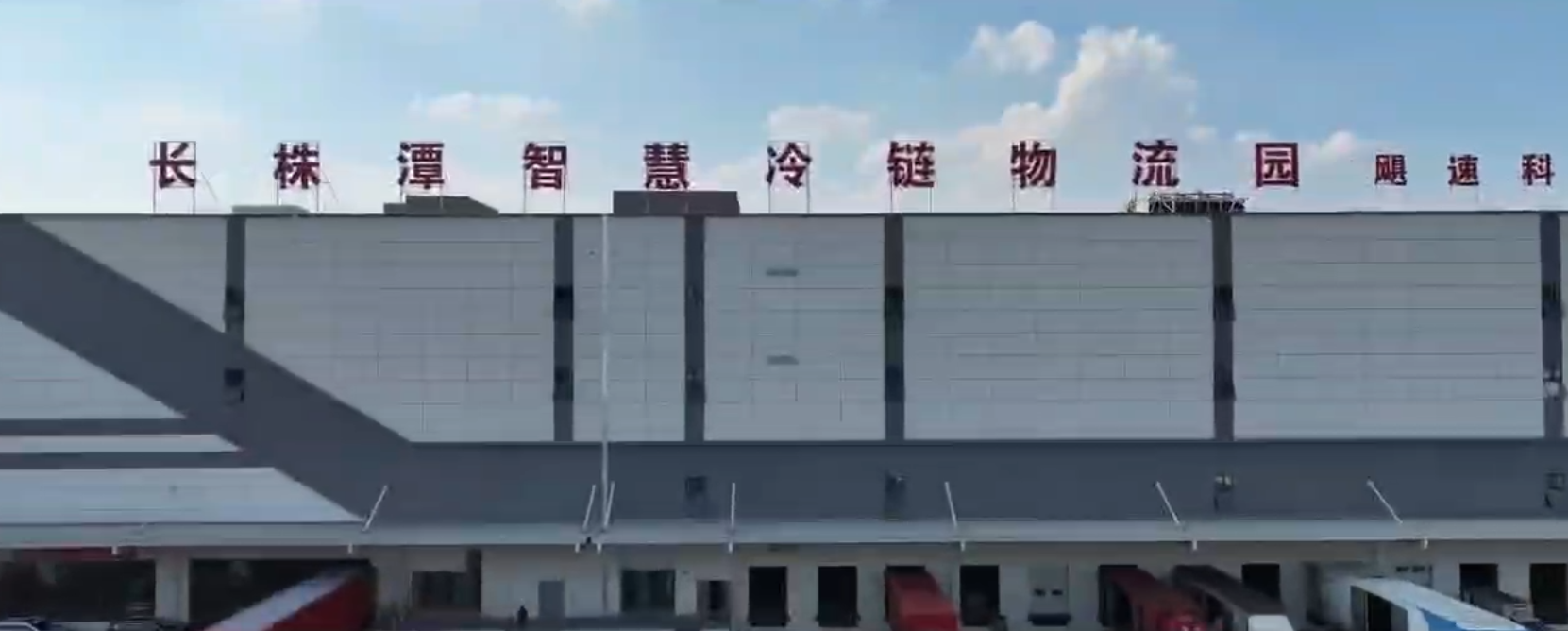
Project Background: Located in Xiangtan, Hunan Province, this project is a fully digitalized smart cold chain logistics park built by Keslon for its client. As the largest intelligent cold storage facility in Central China, it faces the dual challenges of high-frequency inbound and outbound operations and extremely low operating temperatures (-25℃).
With the rapid development of the cold chain logistics, fresh food, and frozen food industries, the client has placed higher demands on the storage density, inbound and outbound efficiency, and stable operation in low-temperature environments. Traditional cold storage relies on manual forklift operations, which is not only inefficient but also results in high labor intensity and operating costs for personnel in sub-zero temperatures, while also posing safety risks.
To improve the overall level of warehouse automation, the client decided to build a large-scale fully automated stacker crane cold storage system to achieve fully automated management of goods from inbound, storage, to outbound processes.

Project Overview:
Project Name: Xiangtan Large-Scale Fully Automated Stacker Crane Cold Storage Project
Project Type: Low-Temperature Automated Cold Storage
Application Industry: Cold Chain Food / Frozen Storage
Internal Temperature: -25℃
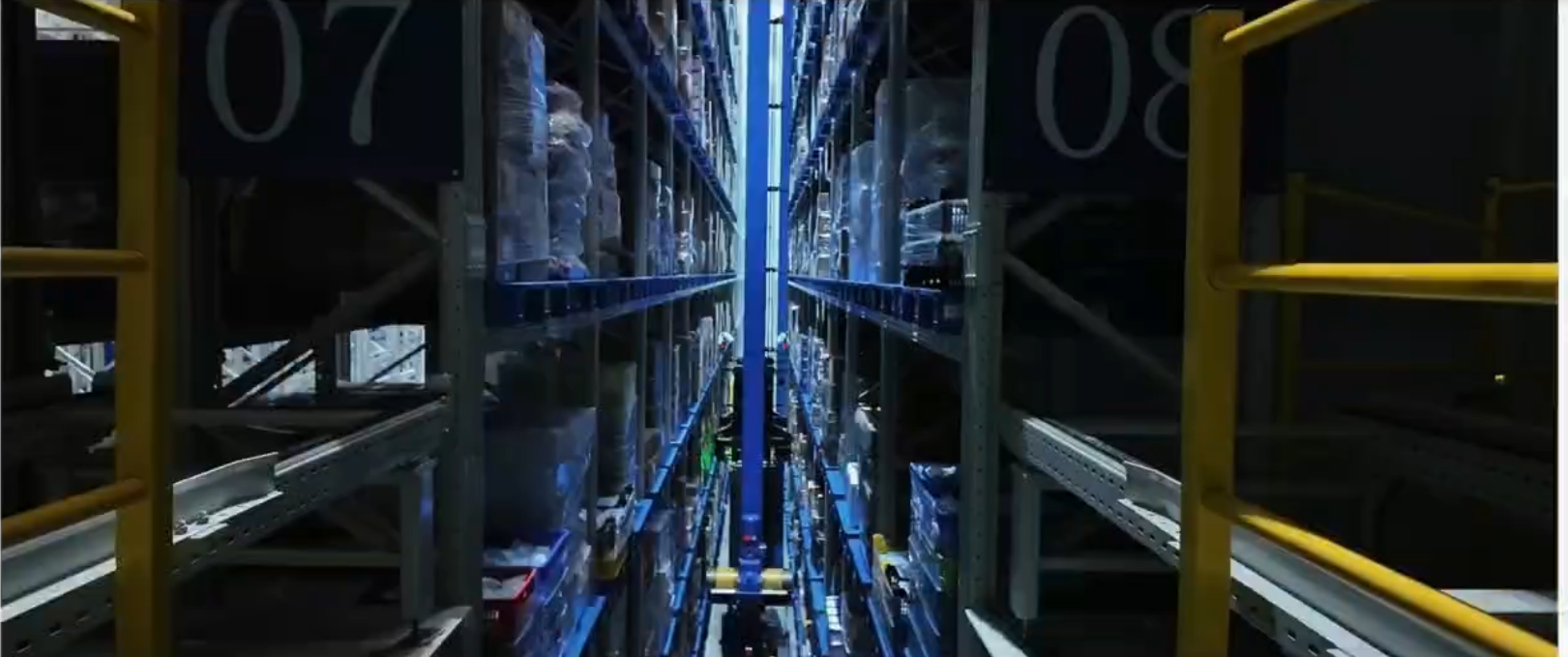
Core Equipment: Automated racking, stacker cranes, conveyor system, WMS warehouse management system, WCS scheduling system, automatic sorting system
Operating Mode: Automated pallet in/out, automated storage, automated in/out
Core Parameters:
Storage Capacity: 50,000 pallet storage locations
Building Structure: Building height up to 24m
Operating Temperature: Constant -25℃
Core Equipment: 25 double-reach heavy-duty stacker cranes
Monitoring Mode: 7*24-hour all-weather intelligent monitoring
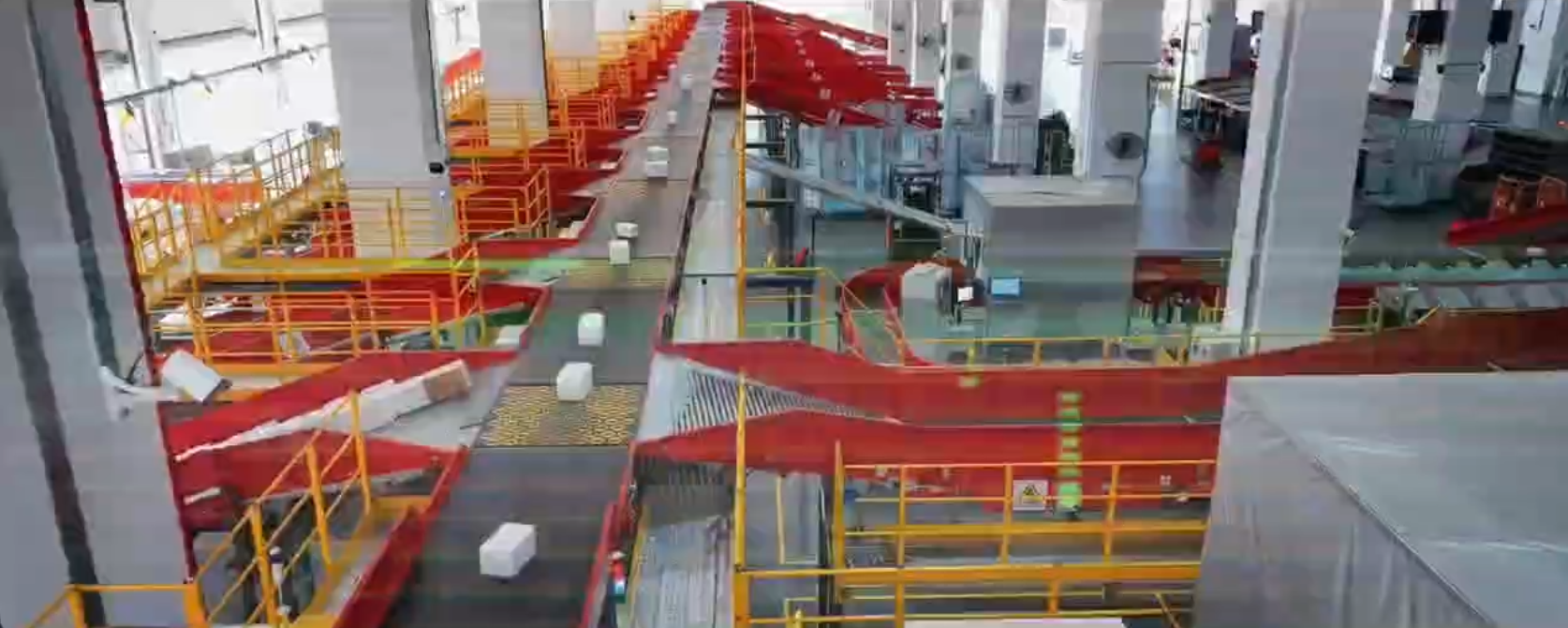
Sorting: Automated sorting
Technical Highlights:
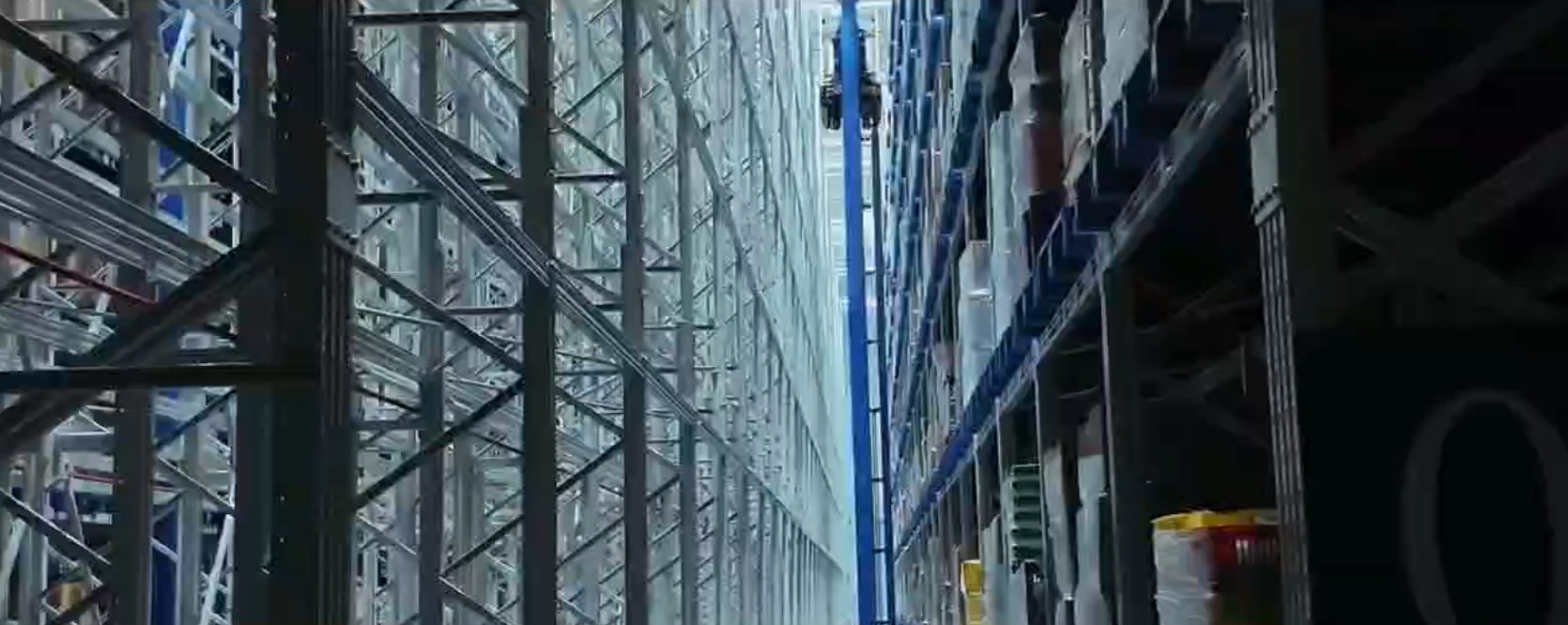
Heavy-duty high-level storage: Utilizing 24-meter ultra-high racking and double-reach heavy-duty stacker cranes, significantly improving the space utilization of the cold storage.
End-to-End Automation: From warehousing and stacking to intelligent sorting, the entire process is automated, eliminating the risks associated with manual operations in extremely low temperatures.
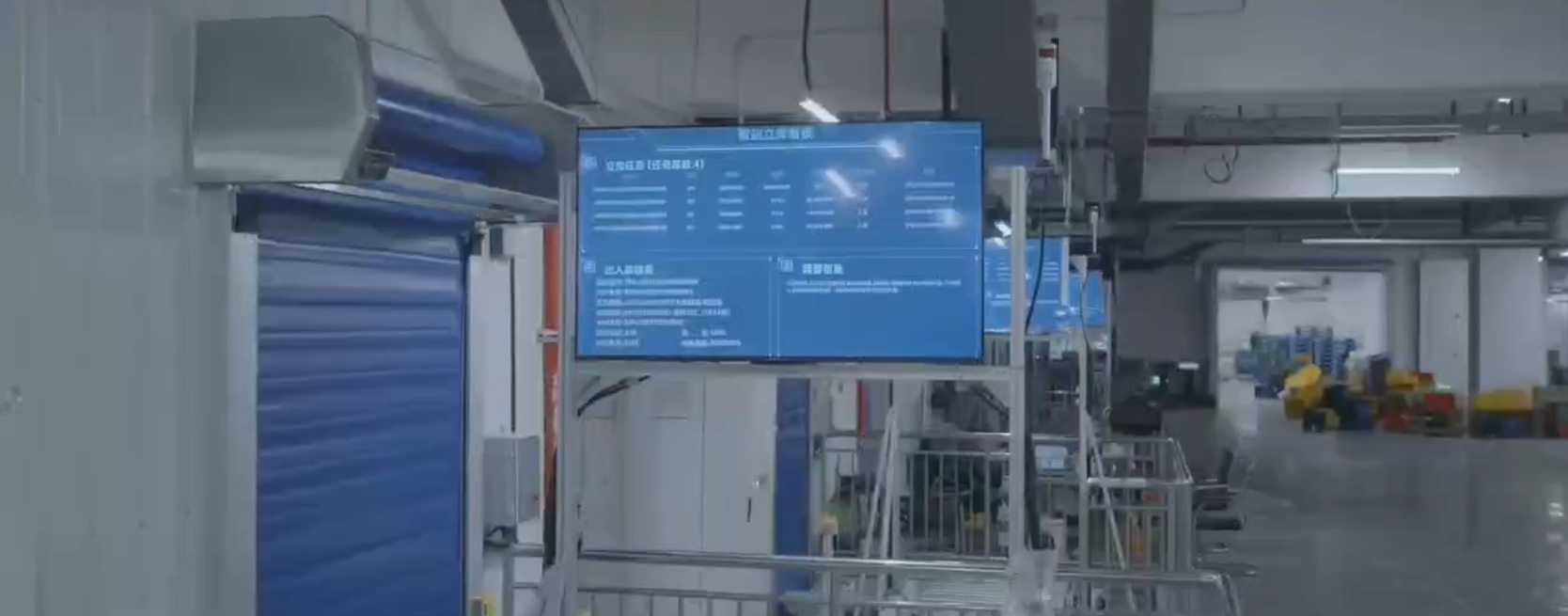
Digital Management: An integrated monitoring system enables real-time monitoring of product status, temperature control environment, and equipment operation data.
High-Efficiency Sorting System: The intelligent sorting line effectively ensures the rapid flow of cold chain goods, reducing the time goods spend in non-temperature-controlled areas.
Fully Digital Monitoring Platform: Real-time monitoring of cargo dynamics and temperature control data enables transparent management of the entire logistics chain.
Customer Value Output: Optimal Space Utilization: A 24-meter high shelving design achieves nearly 50,000 storage spaces on limited land.
Truly Unmanned Operation: Completely solves the problem of prolonged manual operation in -25°C environments, ensuring production safety.
End-to-End Freshness Preservation: Efficient automated flow ensures an uninterrupted cold chain, improving product quality assurance.
Improved Efficiency: Automated operations significantly increase warehouse turnover.
Ensuring Quality: Strict temperature control and rapid turnover reduce the risk of cold chain disruptions.
Reduced Costs: Significantly reduces labor and energy costs, enabling the digital transformation and upgrading of the logistics park.
Customer Pain Points:
1. High Labor Costs in Low-Temperature Environments
In cold storage environments below -25°C, long hours of manual work are difficult, resulting in high staff turnover and requiring significant investment in labor and insulation costs.
2. Low Warehouse Space Utilization
Traditional flat-stacking methods occupy a large area and have limited storage density, failing to meet the rapidly growing warehousing needs of enterprises.
3. Insufficient Inbound/Outbound Efficiency
Manual forklift operations have limited efficiency, easily leading to queuing, incorrect shipments, and missed shipments during peak periods, impacting overall logistics efficiency.
4. Inaccurate Inventory Management
Traditional management models rely on manual records, resulting in untimely inventory information updates and difficulty in achieving first-in-first-out (FIFO) and real-time traceability.
Solution
Based on client needs, the project adopts a large-scale automated storage and retrieval system (AS/RS) solution, utilizing a stacker crane system to achieve high-density, unmanned warehousing operations.
Automated Storage and Retrieval System
Utilizing a high-level racking design, this system significantly improves space utilization, maximizing the use of the cold storage’s vertical space.
High-Speed Stacker Crane System
The stacker crane can operate stably in low-temperature environments, automatically completing palletized goods storage and retrieval operations, improving inbound and outbound efficiency.
Intelligent Conveying System
Seamlessly connecting to the warehouse front end via conveyor lines, this system enables automated goods transport and circulation.
WMS + WCS Intelligent Management
The system manages inventory information in real time, automatically scheduling equipment operation to achieve first-in-first-out (FIFO), batch traceability, and intelligent warehouse management.
Project Advantages
Improved Warehouse Space Utilization
Compared to traditional warehouses, automated storage and retrieval systems (AS/RS) can significantly increase storage capacity and reduce land and construction costs.
Reduced Labor Operating Costs
The system enables minimal or even unmanned operation, significantly reducing the need for manual labor in low-temperature environments.
Improved Operational Efficiency
Automated equipment operates continuously 24/7, ensuring stable inbound and outbound efficiency and meeting the high-frequency logistics needs of enterprises.
Enhanced Warehouse Safety
Reducing personnel entry into low-temperature areas lowers safety risks and avoids damage to goods caused by manual operation.
Achieving Digital Management
Real-time inventory monitoring and data analysis through intelligent systems improve the enterprise’s supply chain management level.
Project Results
After the project was put into operation, the client achieved an automated upgrade of cold storage warehousing, resulting in a significant improvement in overall operational efficiency:
Significantly improved cold storage space utilization
Very reduced labor costs
More stable and efficient inbound and outbound processes
Significantly improved inventory accuracy
More intelligent and digital cold chain warehousing management
This project successfully helped the client build a modern intelligent cold chain warehousing center, providing strong warehousing support for the company’s subsequent business expansion.
Conclusion
The Xiangtan large-scale fully automated stacker crane cold storage project fully demonstrates the application value of automated three-dimensional cold storage in the cold chain industry. Through the deep integration of automated equipment and intelligent software systems, it not only solved the problems of low efficiency and high labor costs in traditional cold storage but also helped the client achieve a smart warehousing upgrade.
In the future, with the continued development of the cold chain logistics industry, automated cold storage systems will play an increasingly important role in the fields of food, fresh produce, pharmaceuticals, and cold chain distribution.