0
-
Um carrinho vazio
Você não tem item no seu carrinho de compras


With the rapid advancement of intelligent manufacturing and automated logistics, traditional manual warehouses can no longer meet modern enterprises’ demands for higher efficiency, greater accuracy, lower operating costs, and intelligent inventory management. Bin Automated Stacker Crane Warehouse Systems (Bin AS/RS) have become a preferred solution for smart warehousing across industries such as electronics, automotivo, produtos farmacêuticos, comércio eletrônico, and new energy, thanks to their high-density storage, automated handling, e gerenciamento inteligente de armazéns.
A Bin Automated Stacker Crane Warehouse System is an intelligent storage solution that uses standardized bins, totes, or plastic containers as storage units. By integrating high-speed stacker cranes, conveyor systems, vertical lifts, robots, and intelligent Warehouse Management Systems (WMS) and Warehouse Control Systems (WCS), the system enables fully automated storage, recuperação, escolhendo, and material distribution.
The system supports:
Compared with traditional warehouses, it significantly improves warehouse efficiency, precisão do inventário, and operational management.
By utilizing high-rise storage racks, the system fully leverages vertical warehouse space.
High-speed bin stacker cranes provide fast travel speeds and precise positioning, enabling rapid storage and retrieval operations.
Traditional warehouses rely heavily on manual handling, searching, and inventory counting.
Automated warehouse systems enable:
Many companies reduce warehouse labor costs by 50%–80%.
Integrated with barcode, RFID, and WMS technologies, the system provides:
Inventory accuracy can reach over 99.9%.
The system can be directly connected to production lines, enabling:
This minimizes production downtime and improves overall manufacturing efficiency.
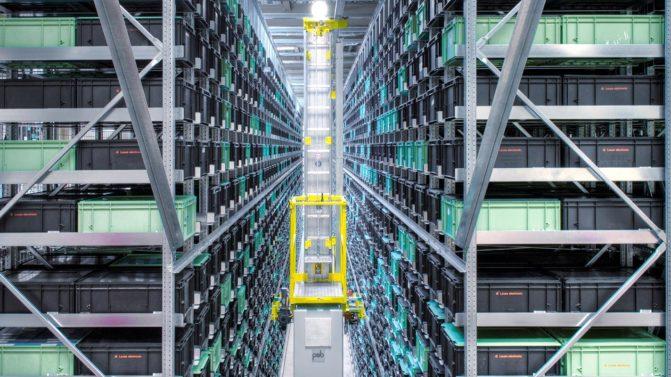
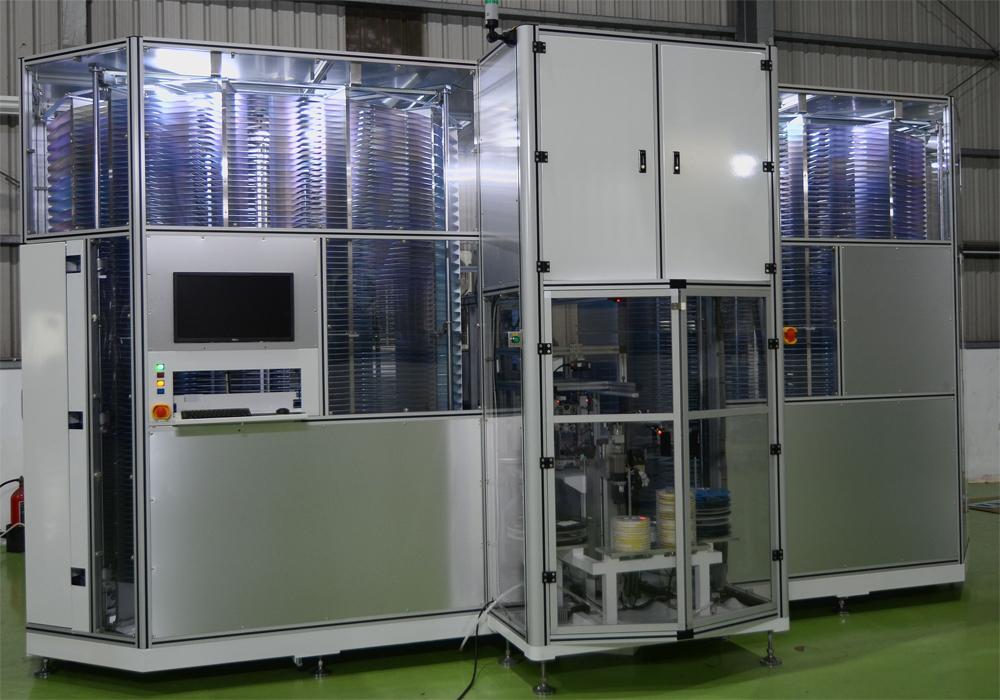
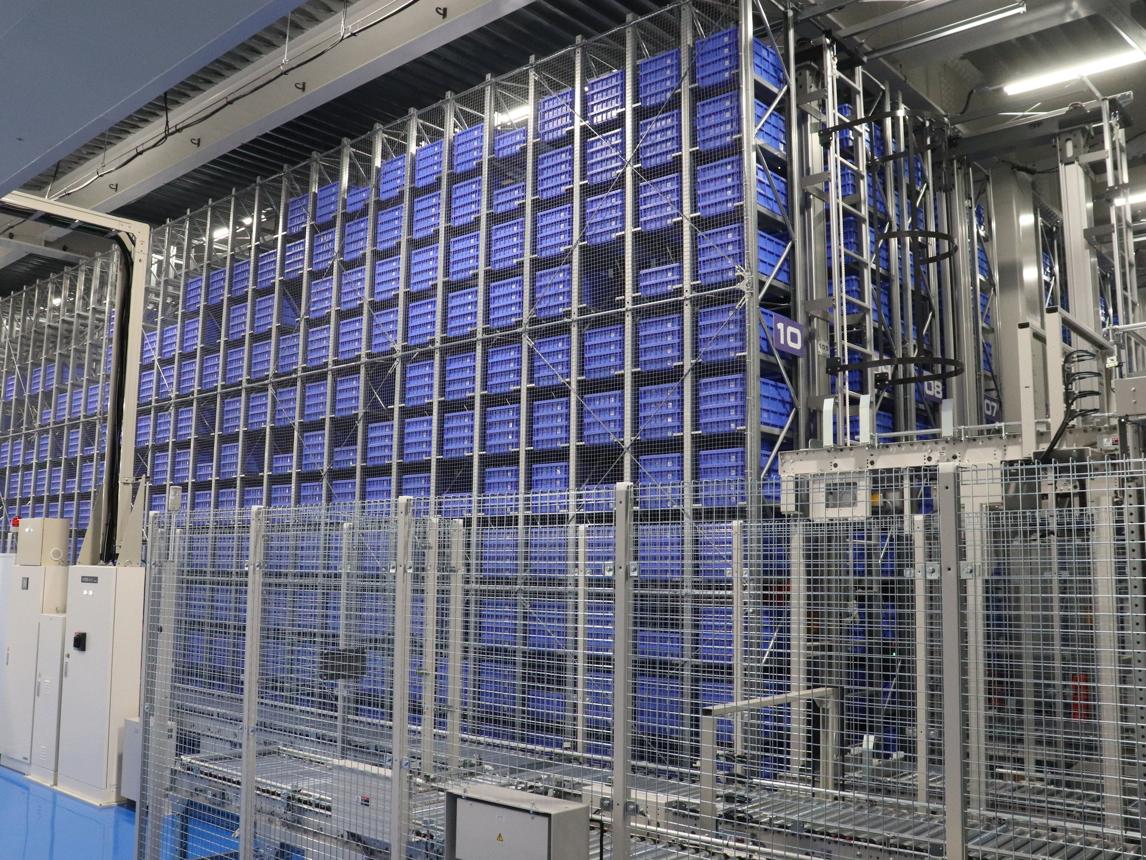
The electronics industry features thousands of SKUs, compact products, and high-value components that require highly accurate inventory management.
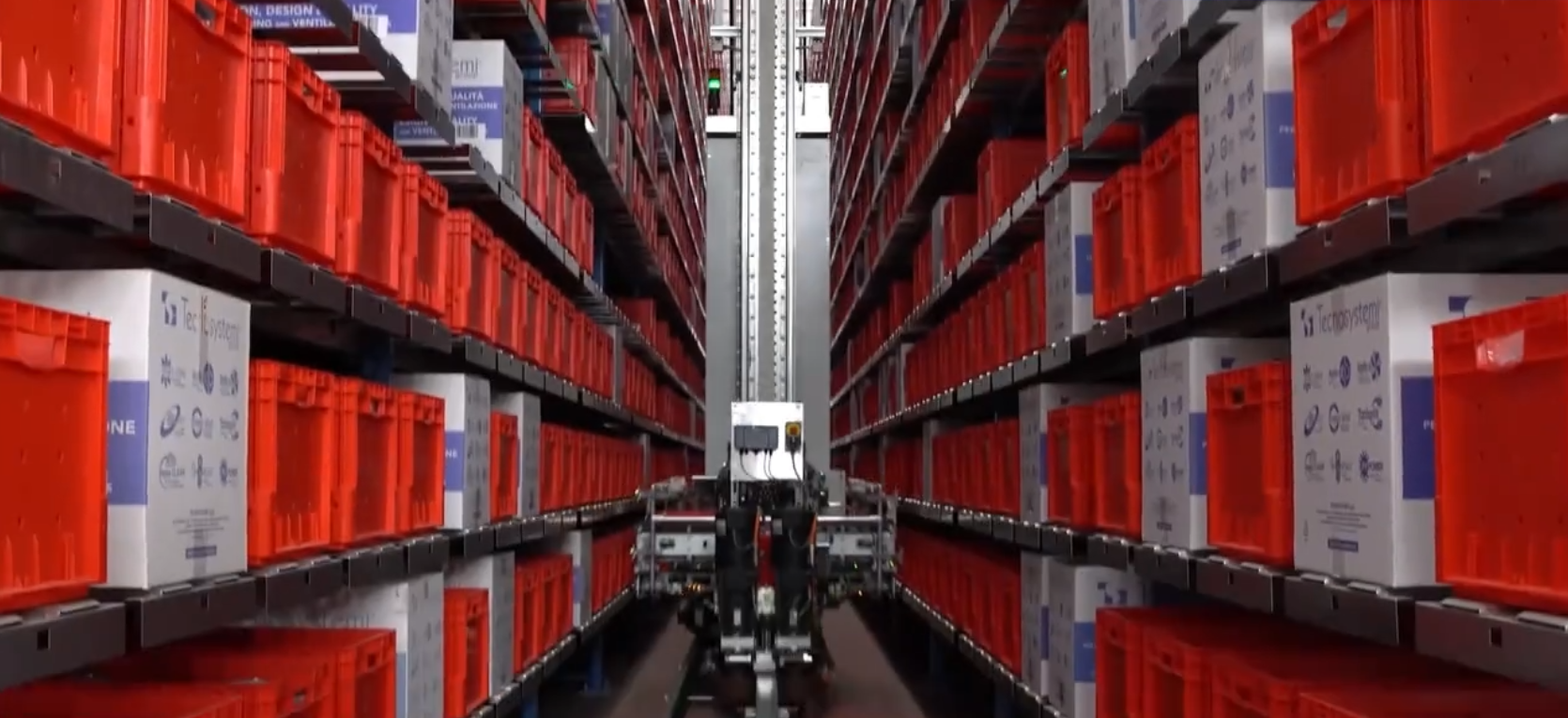
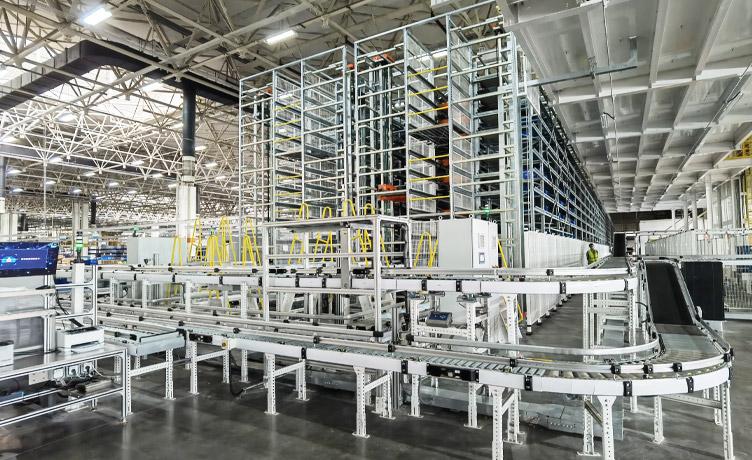
Automotive production involves thousands of different components and requires highly efficient material logistics.
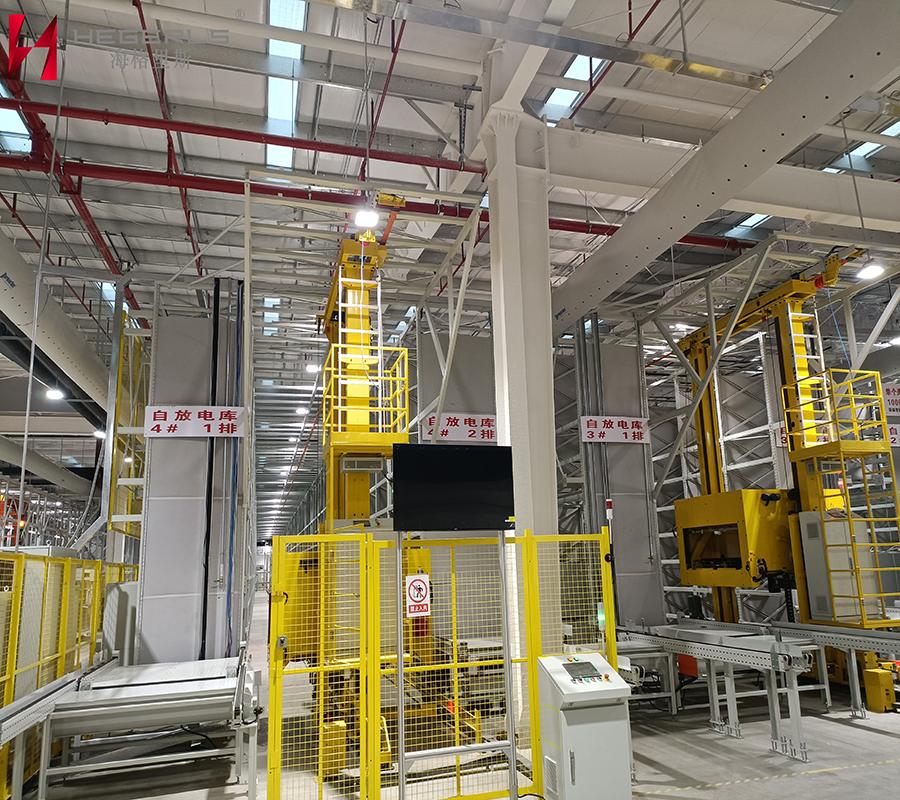
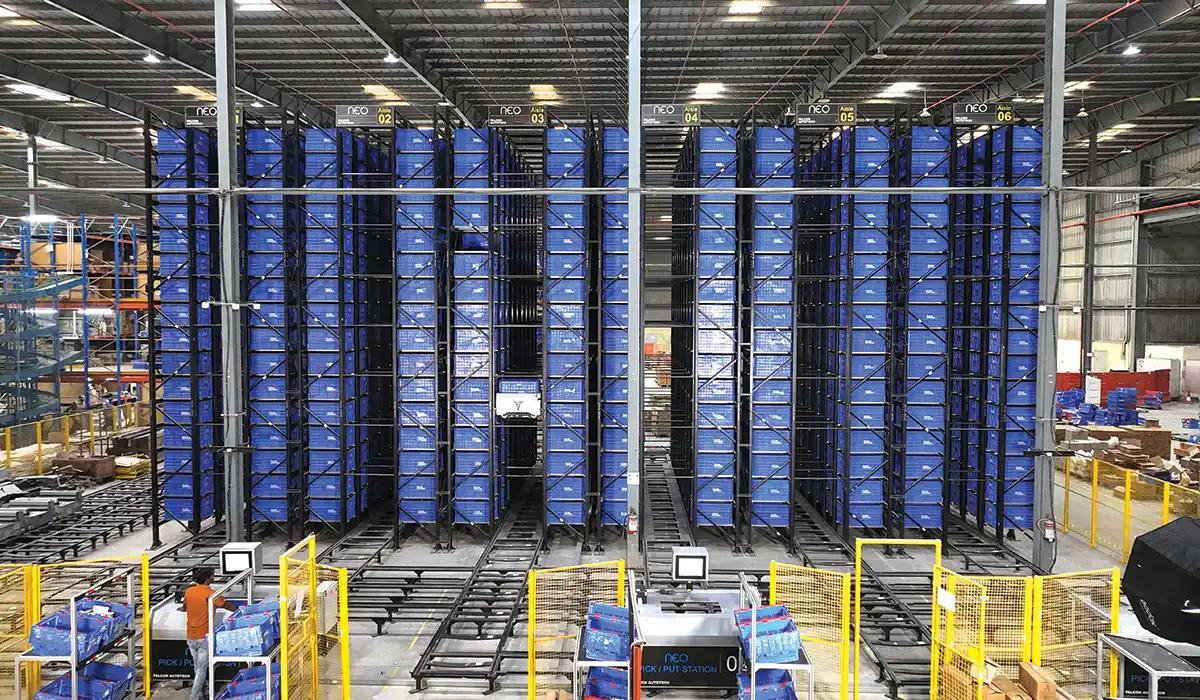
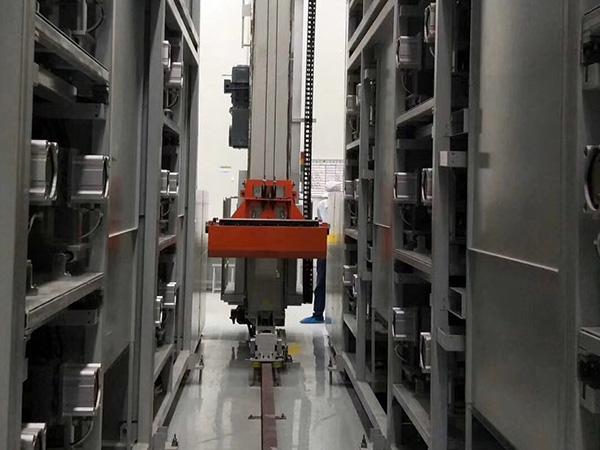
The rapid growth of the new energy sector has significantly increased demand for intelligent warehouse automation.
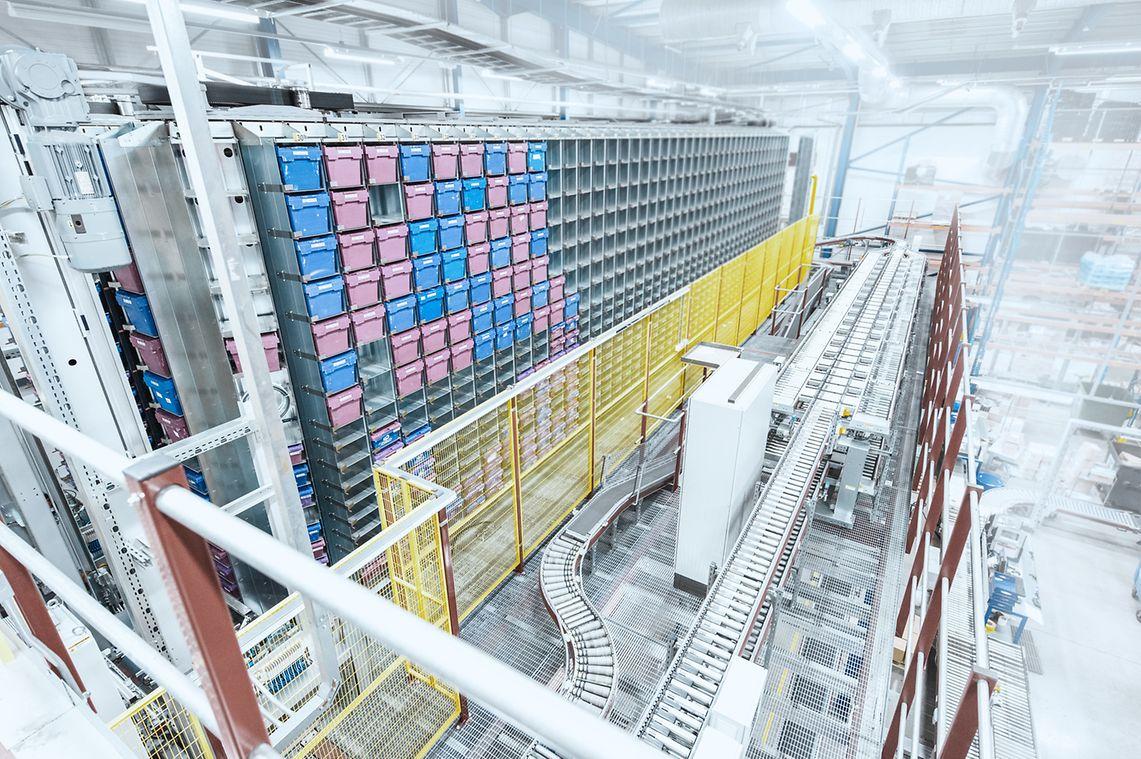
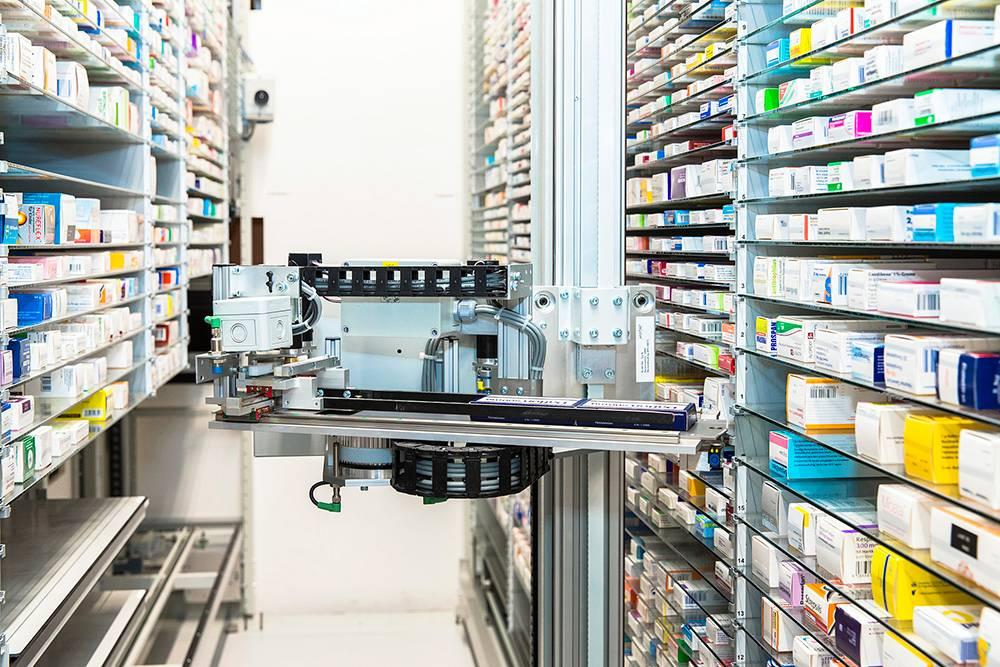
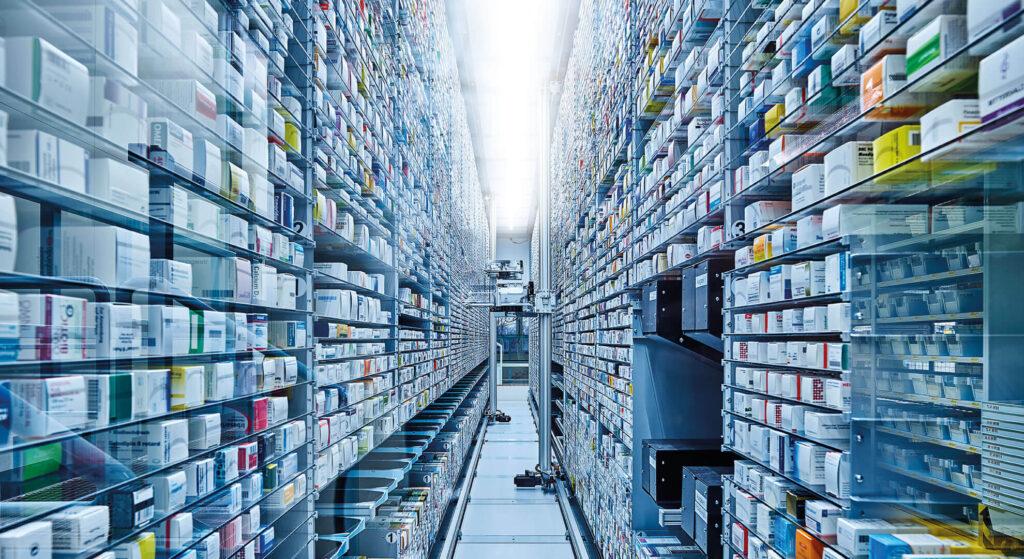
The pharmaceutical industry requires strict temperature control, rastreabilidade de lote, e conformidade regulatória.
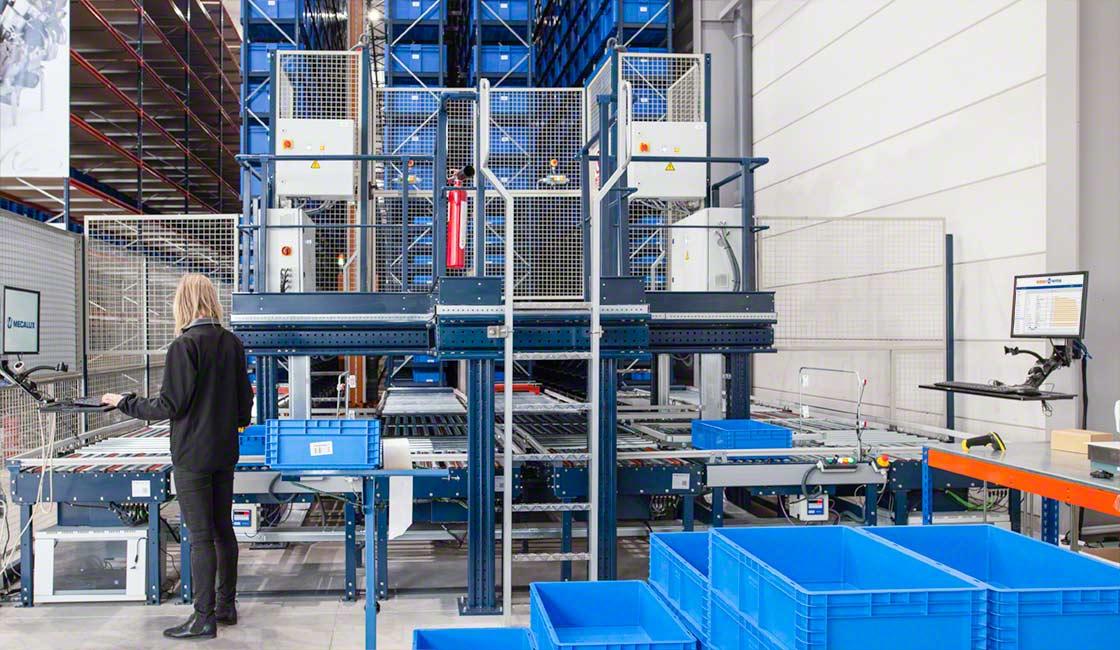
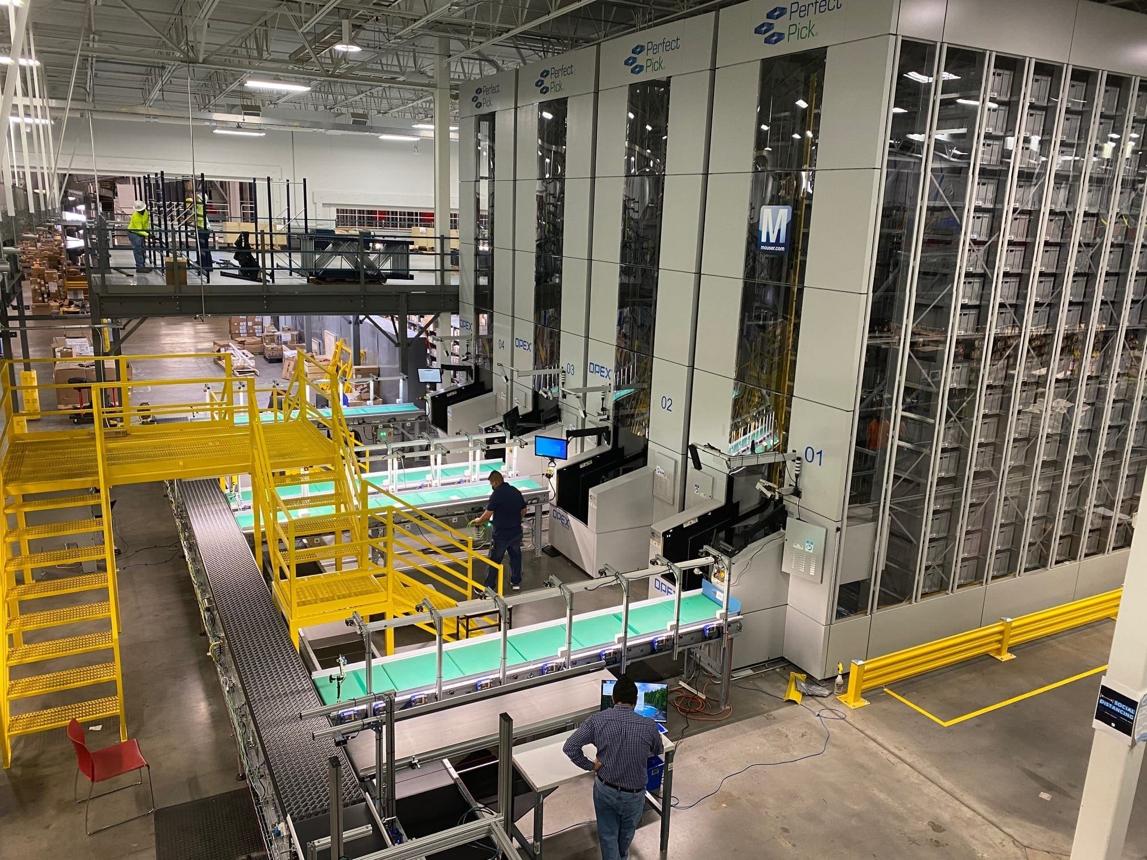
Modern e-commerce warehouses handle massive SKU volumes and high-frequency order fulfillment.
The semiconductor industry requires ultra-clean environments, ESD protection, and highly precise inventory management.
Driven by Artificial Intelligence (AI), Digital Twin technology, Industrial Internet of Things (IIoT), e robótica, Bin Automated Stacker Crane Warehouse Systems are evolving toward greater intelligence and flexibility.
Future trends include:
A Bin Automated Stacker Crane Warehouse System is more than just an automated storage solution—it is a critical infrastructure for smart manufacturing and digital supply chain transformation.
By maximizing storage density, improving logistics efficiency, reducing labor costs, and enhancing inventory accuracy and traceability, it delivers significant operational advantages across industries including electronics, automotivo, new energy, produtos farmacêuticos, semiconductors, e comércio eletrônico.
As global manufacturers continue to pursue Industry 4.0 and smart factory initiatives, investing in a Bin Automated Stacker Crane Warehouse System enables businesses to optimize warehouse operations, improve productivity, reduzir custos operacionais, and build a more competitive, intelligent, and future-ready supply chain.